

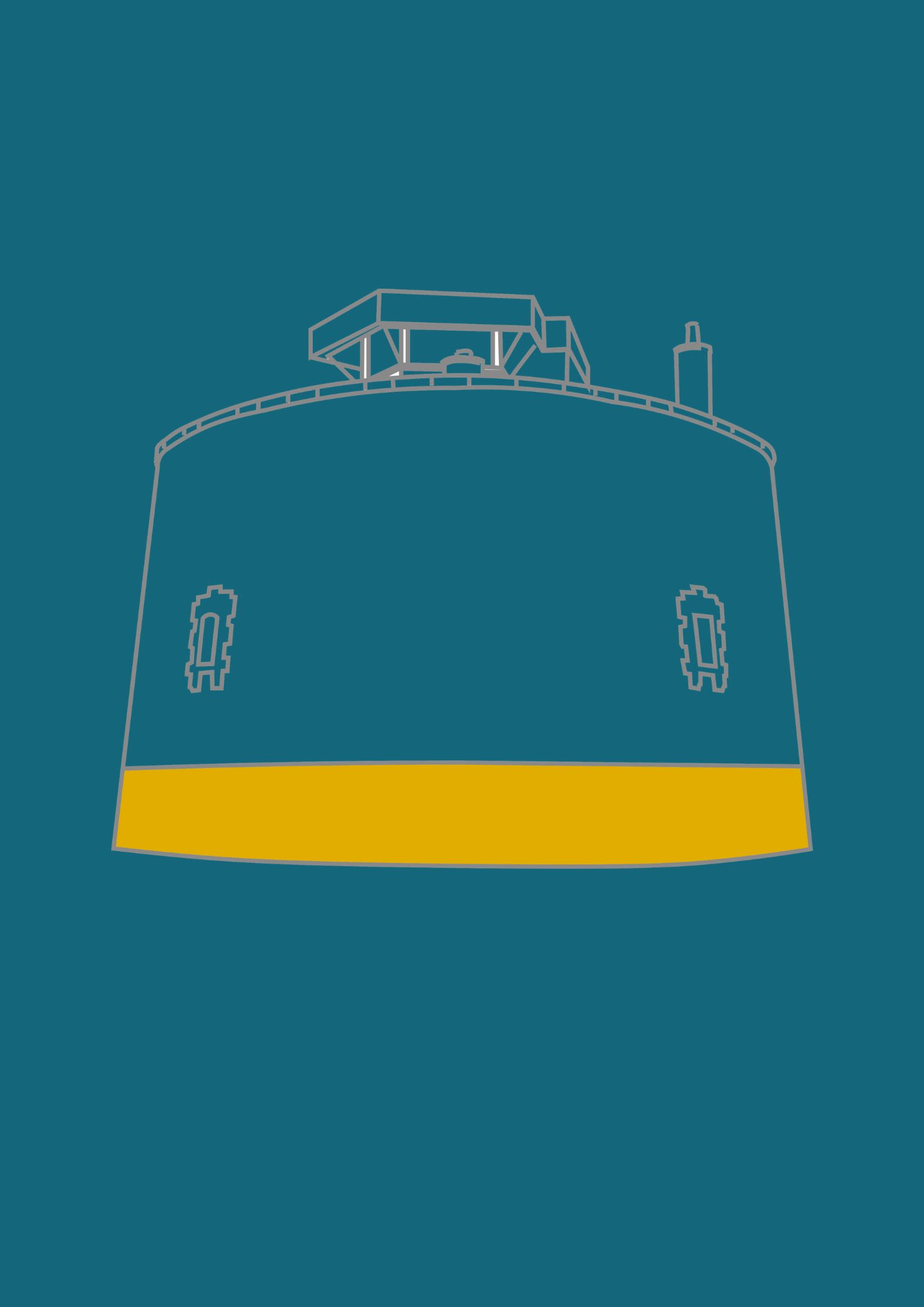



Martello Towers are small, defensive, coastal forts. They were built across the British Empire during the late 1700s and the 1800s.
Martello Towers are characterised by their thick, round walls, designed to withstand cannon fire. They were built to house a small company of soldiers and equipped with three cannons on a high platform with a clear view across the surrounding area.
Stone was used for the window and door surrounds, and the towers were coated in plaster to resist damp. Construction materials were delivered by sea from London or produced locally.
The entrances to Martello towers were designed to keep people out.
Origins of the Design
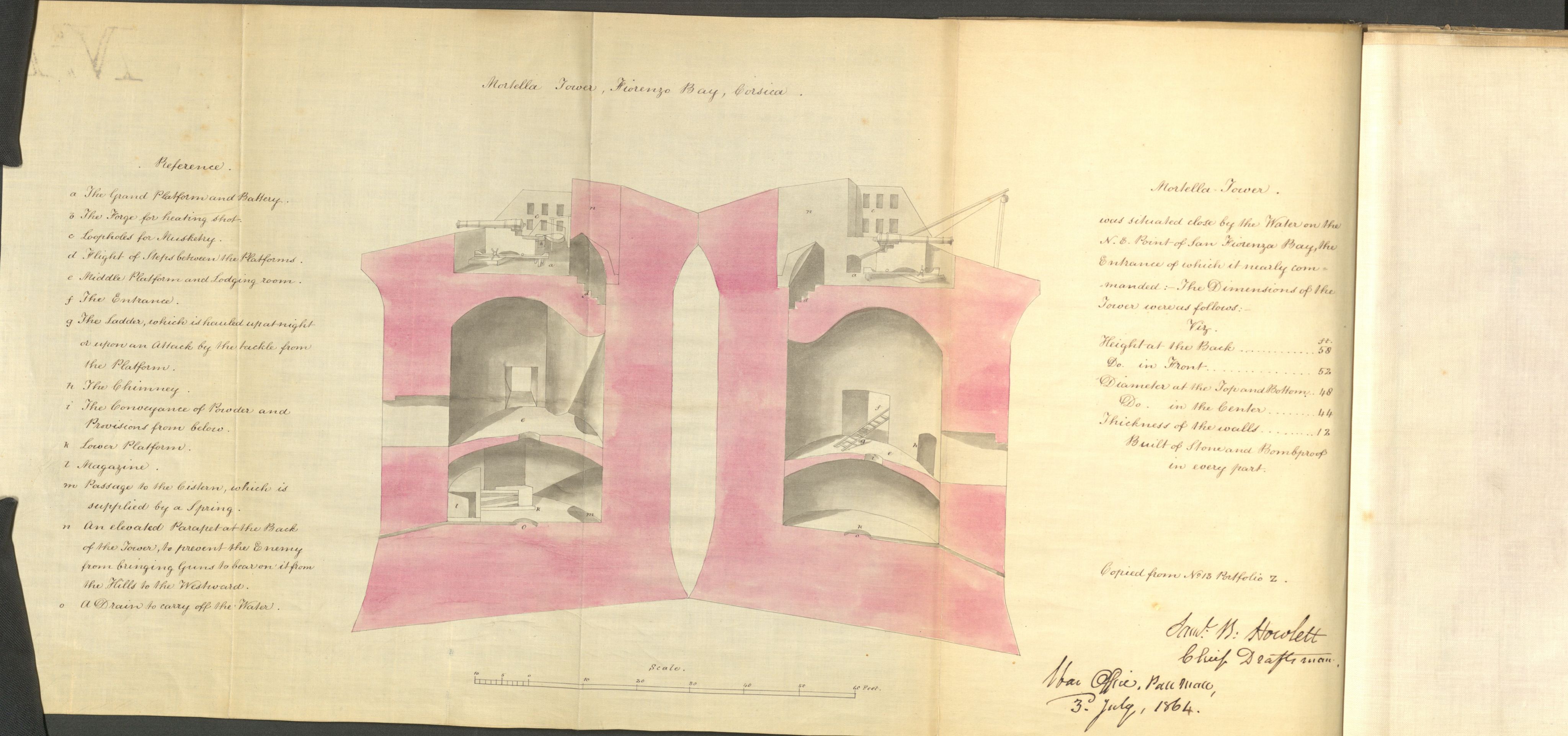
The inspiration for Martello Towers came from the Torre di Mortella in Corsica. In 1793, during a British attempt to establish a base in the Mediterranean, HMS Fortune and HMS Juno attacked the tower but suffered heavy damage. The tower’s impressive defence prompted the British to replicate the design back at home.
While some critics questioned the cost of building the towers, they were far less expensive than constructing warships. More importantly, the towers played a significant role in boosting the morale of the British public by providing visible, solid defensive structures along the coast.
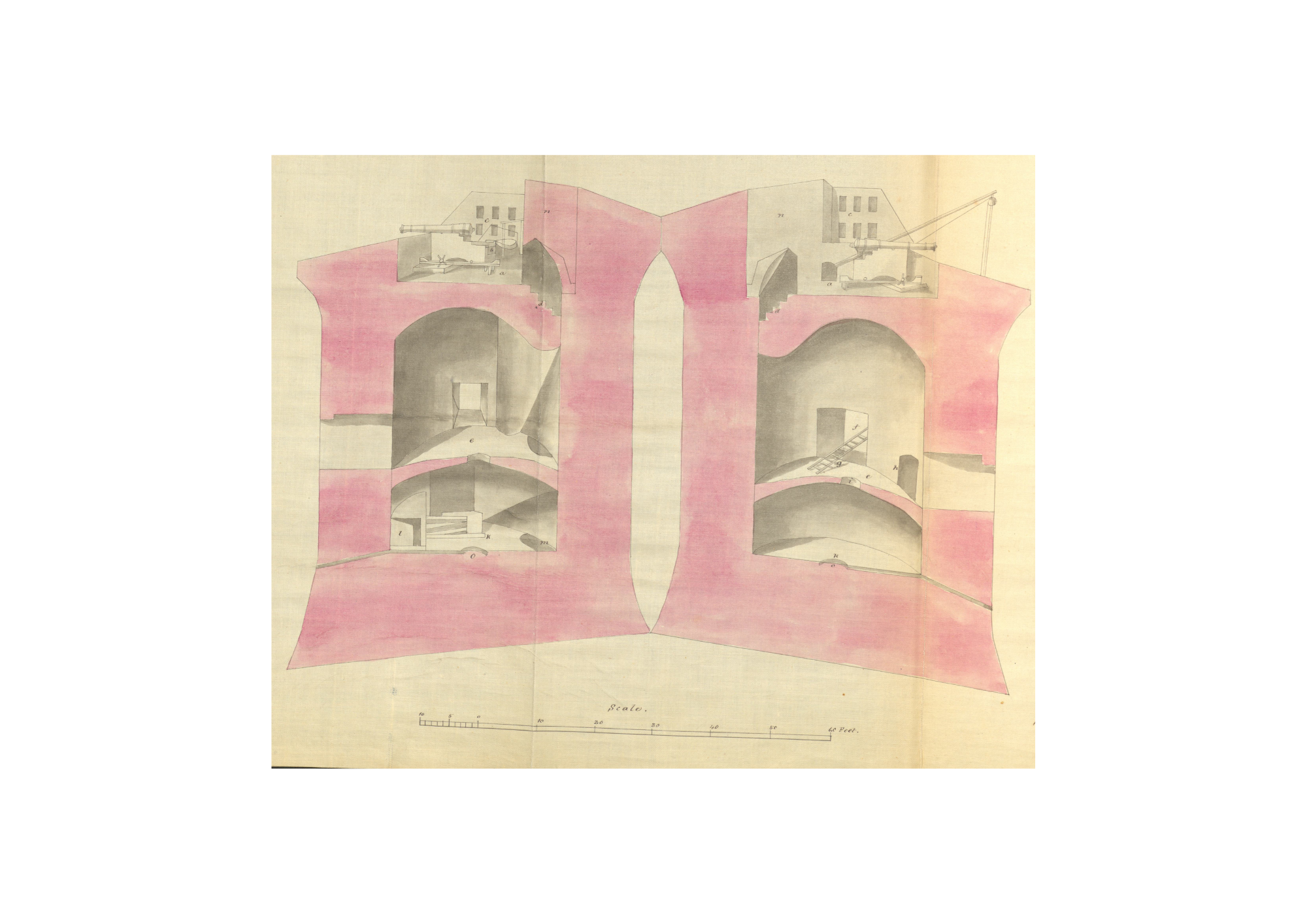
Plan of Mortella Tower, Corsica which inspired the design of Martello Towers. IV400/3 @ Suffolk Archives
Plan of Mortella Tower, Corsica which inspired the design of Martello Towers. IV400/3 @ Suffolk Archives


In the early 1800s over hundred Martello Towers were constructed along the coast of England as part of Britain's coastal defences against a French invasion during Napoleonic Wars. Eighteen of these were built in Suffolk from Essex up to Aldeburgh. To identify them, they were labelled alphabetically from L to CC (Towers A to K were in Essex).
They were strategically placed to support land-based weaponry, or to defend river mouths and prevent troops from landing on the flat shingle beaches of Suffolk. The towers were built close together to have overlapping fields of fire and create a communication network where each tower could signal to the next.
The Napoleonic Wars came to an end in 1815 when Napoleon was defeated at the Batte of Waterloo. With the threat of French invasion gone, the towers were rendered obsolete, having never fired a shot in battle.

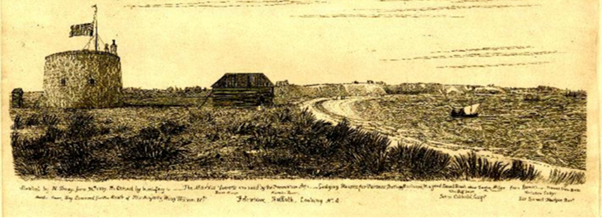
Henry Davy’s 1837 sketch of Tower P
Henry Davy’s 1837 sketch of Tower P

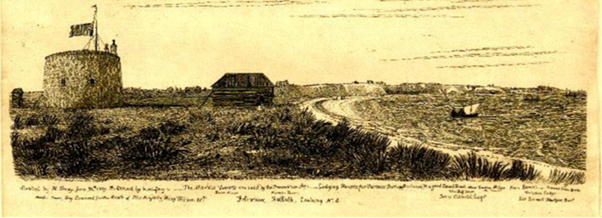

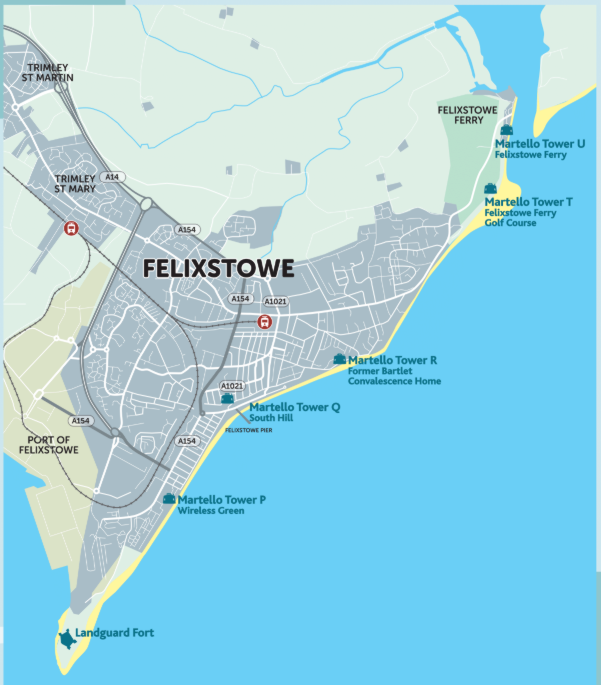
Eight towers were built along the coast at Felixstowe, five still stand today.

Ground Floor: A windowless area for storage of ammunition. To minimize explosion risks, the walls featured glazed inner windows where lanterns were placed to light the space safely.
Entrance: 12 feet above ground this was originally accessed by a ladder that could be pulled up in the event of an attack. This level housed 24 soldiers and one officer.
Gun Platform: Accessed via two stone staircases built into the rear wall. The rooftop platform originally held the tower’s main artillery.

The shape of Martello towers was specially designed to support the huge weight of three 24 pounder cannons mounted on the roof. Each cannon weighed 2.5 tonnes, the equivalent to the weight of a rhino.
The cannons had a range of 1 mile and were mounted on wheels and a track to enable then to be turned and reloaded quickly. A direct hit from a cannon could cause significant damage to nearby ships.
The cannons were used with round cannon balls, or similar types of shot depending on the intended target. Explosive gunpowder would be packed into the barrel of the cannon, behind the cannon ball or shot, and when ignited it would provide the force to propel the shot out of the cannon.

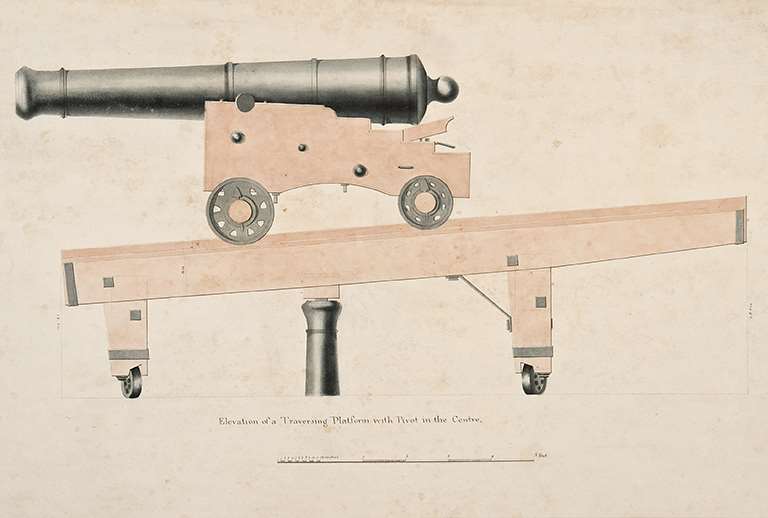
Drawing of a 24-pounder gun on a wheeled platform, 1819. © The Royal Artillery Historical Trust
Drawing of a 24-pounder gun on a wheeled platform, 1819. © The Royal Artillery Historical Trust




The land for Martello Tower P was purchased on 31 October 1809.
The tower was built between 1809 and 1812 as part of Britain’s costal defence.
After the end of the Napoleonic Wars in 1815, military veterans and their families lived in the tower acting as caretakers, lighting fires in the winter, and airing the building in the summer.
Martello Tower P was used by
the Coastguard to keep a lookout
for smuggling activities, they were known as The Coast Preventive Men.
New quick-fire guns were installed and
manned by the army.

The tower became one
of Britain’s first wireless
communication stations.
During World War One, the tower was used as a Royal Navy Signal Station.
Observing, intercepting communications, and supporting
the safe operation of the Navy and aircraft stations at Harwich and Felixstowe.

A Coastguard lookout
station was built on the gun
platform on the top of
Martello Tower P.

The Royal Observer Corps was
based at Martello Tower P
through World War Two. Its
task was to observe and plot
enemy aircraft and flying bombs.

During the Cold War, the
Royal Observer Corps
post was moved from
the tower into the underground
bunker on Wireless Green.

The Cold War bunker
on Wireless Green was
officially decommissioned.

After the closure of the Royal
Navy’s training academy,
HMS Ganges at Shotley Gate,
naval control of shipping in
the area moved to Martello
Tower P until 1979.

The Coastguard lookout
station on top of the tower
was replaced with a new
office which can still be seen today.

10 February 1986 – Martello
Tower P was designated a Grade
II listed building.

The Coastguard closed the
Felixstowe lookout after over
160 years of service.

The volunteer-run National
Coastwatch Institution (NCI)
moved into the lookout office,
operating a continuous watch
over the coastline.

Martello Tower P was bought by
Suffolk Coastal District Council,
now East Suffolk Council.

Martello Tower P was refurbished as part of the
development of Wireless Green.

Smuggling was common in Suffolk in the 1700 and 1800s because of its long coastline with hidden bays, making it easy to sneak goods in. High taxes on items like tea, alcohol, and tobacco made them expensive, so people turned to smugglers for cheaper prices. Poverty and hardship after the end of the Napoleonic Wars led many to turn to smuggling to earn a living.

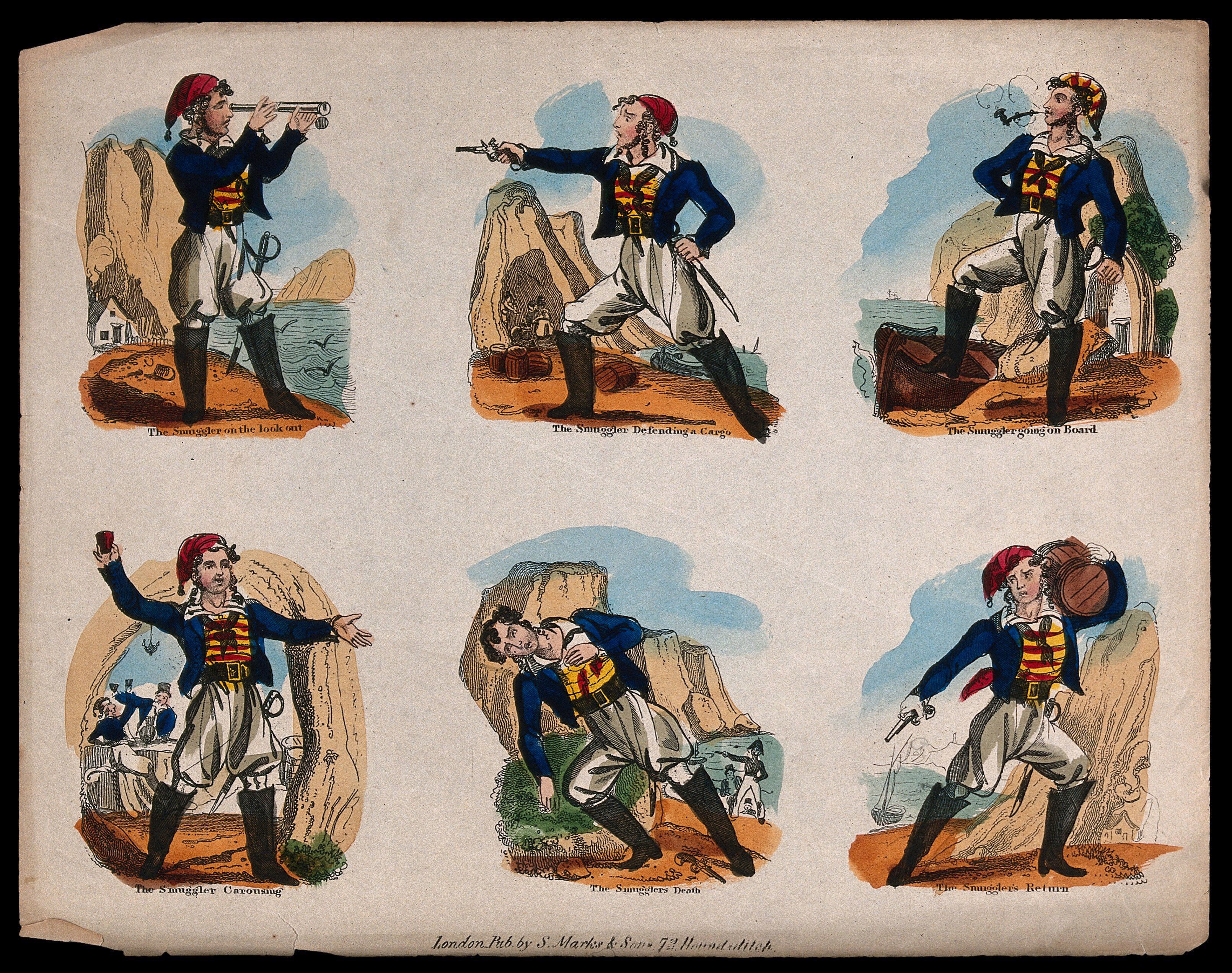
Coloured etching of a smuggler. 1800-1899. ©Wellcome Collection
Coloured etching of a smuggler. 1800-1899. ©Wellcome Collection
There were several well-established smuggling companies throughout East Anglia which ran very successful businesses and made a lot of money. There are many accounts of smugglers resorting to violence to defend their goods and protect their business.
To combat this illegal trade, the British government stationed troops along the coast. Men based at Martello Towers, including Tower P, were tasked with preventing smugglers from landing goods on local beaches. The patrols operated day and night but had limited success in a complex landscape of coves, creeks and estuaries. People in Suffolk also supported smugglers, helping them hide goods or warn them about authorities, making smuggling a popular and profitable activity.
From 1816 Martello Tower P was a base for the Coastguard Service, keeping watch for smuggling activity.
The Coast Preventive Men
During the 18th Century at the height of the smuggling era, the men who patrolled the coast were known as Coast Preventive Men, operating under the authority of the Government Customs and Excise Office. They were armed with pistols, cutlasses and a distinctive tool called a tuck-stick. This was a long staff with a sharp blade at the end used to probe through hay, straw, or bags of shingle in search of hidden contraband.

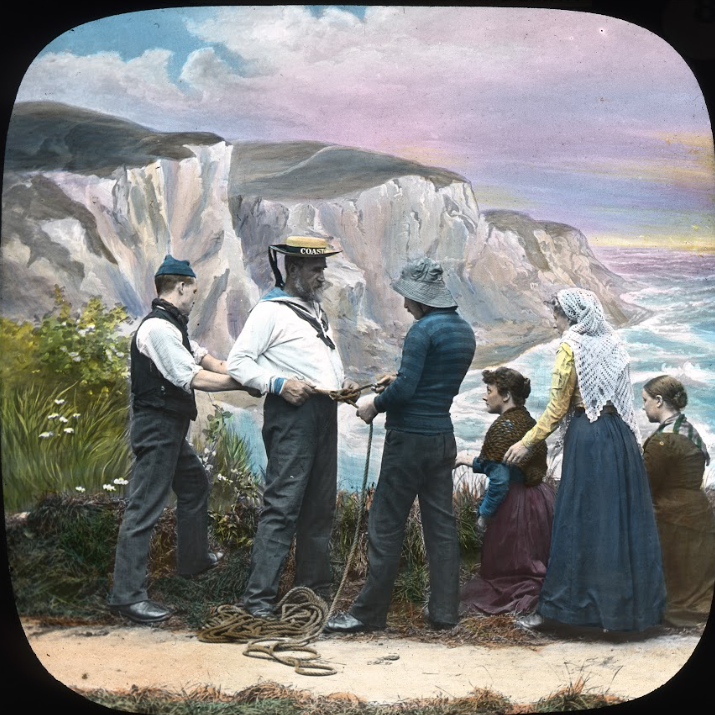
Scene depicting Victorian Coastguard. ©Maritime and Coastguard Agency
Scene depicting Victorian Coastguard. ©Maritime and Coastguard Agency
William Mynheer was born in St Mawes, Cornwall, around 1787. Little is known about his early life, but records show he first went to sea as a boy in 1803.
William was five feet three inches tall, with a light complexion, grey hair, and grey eyes. He served as a sailor in the Revenue Service, overseeing tax and customs activities on the sailing boat Rattlesnake. The crew were involved in a skirmish with smugglers on 6th October 1812. They fought alongside the crew of the Scourge and the Westmeath Militia.
In January 1816, a local newspaper reported a violent assault that resulted in William, then a coastguard in Deal, Kent, being injured. At this time, rewards for capturing smugglers were high, especially when revenue officers were injured in the line of duty. A reward could be as much as £200, equivalent to nearly £25,000 today.

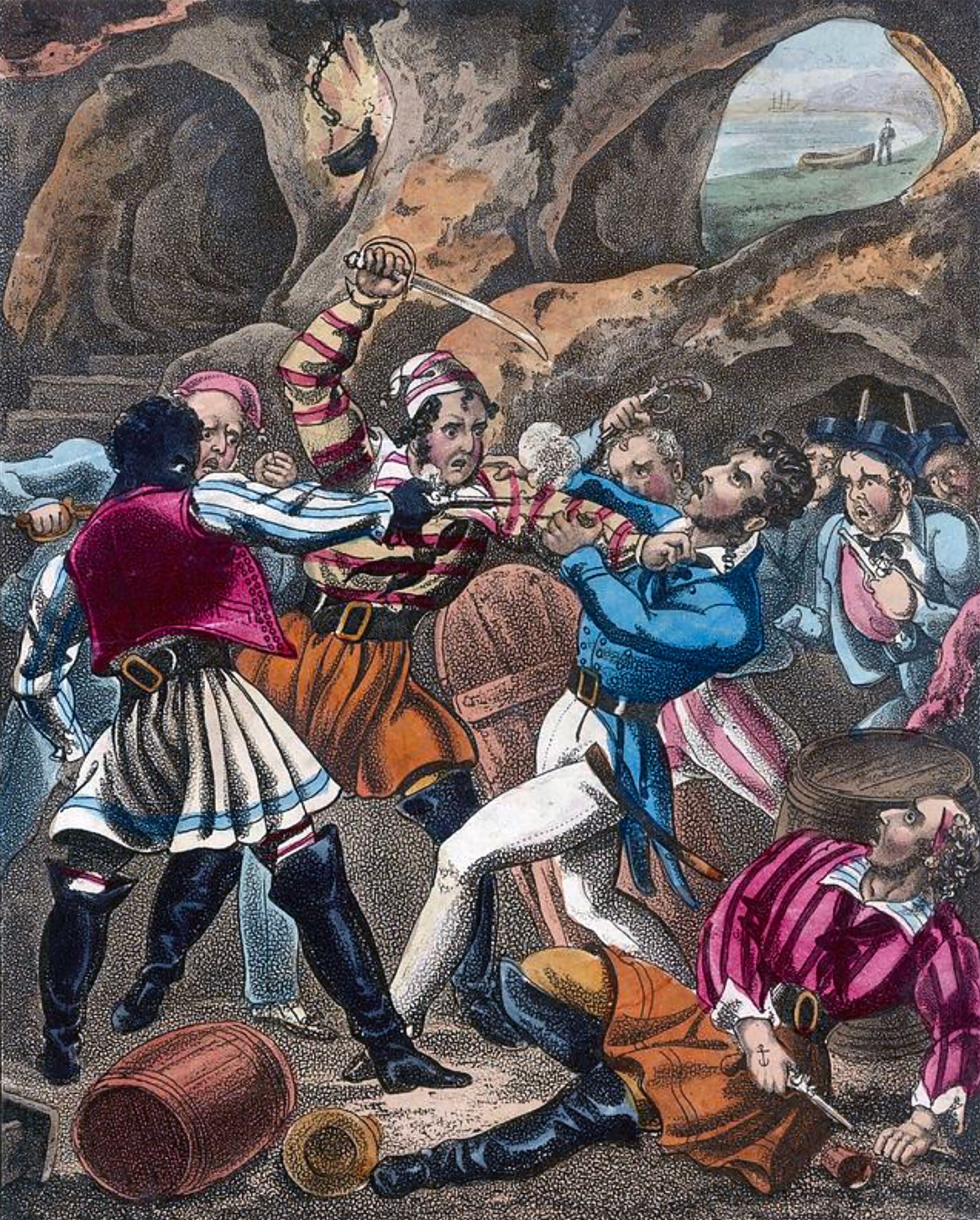
Men in blue from an early form of the Coastguard in a fight against smugglers in the 1820s. © Pictorial Press Ltd/Alamy
Men in blue from an early form of the Coastguard in a fight against smugglers in the 1820s. © Pictorial Press Ltd/Alamy
In April 1823, William moved to Corton, Suffolk working as Chief Boatman in the Coastguard. His family joined him later that year after the birth of his fifth child.
In August 1827, William took charge of the Landguard Coastguard at Felixstowe and Harwich, a position he held until his retirement in 1852. In May 1834, during an encounter with smugglers, William suffered a severe beating that badly injured his right arm.
Census records from 1841 and 1851 show William living with his wife Mary and their children in Martello Tower P in Felixstowe. The thick walls of the towers and limited air circulation made them prone to humidity, which led to wood rot. Living in the tower would have required the family to also act as a caretaker, keeping fires burning in winter and airing out the tower in summer.

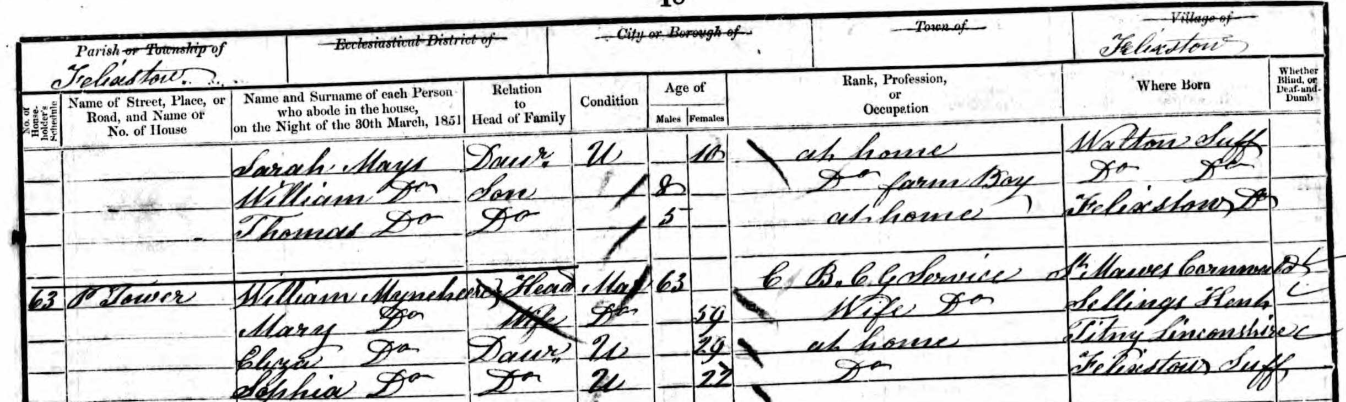
1851 census showing William Mynheer and his family living at Martello Tower P. Crown Copyright. Image reproduced courtesy of the National Archives, London
1851 census showing William Mynheer and his family living at Martello Tower P. Crown Copyright. Image reproduced courtesy of the National Archives, London
After retiring, William lived in Harwich with his family.


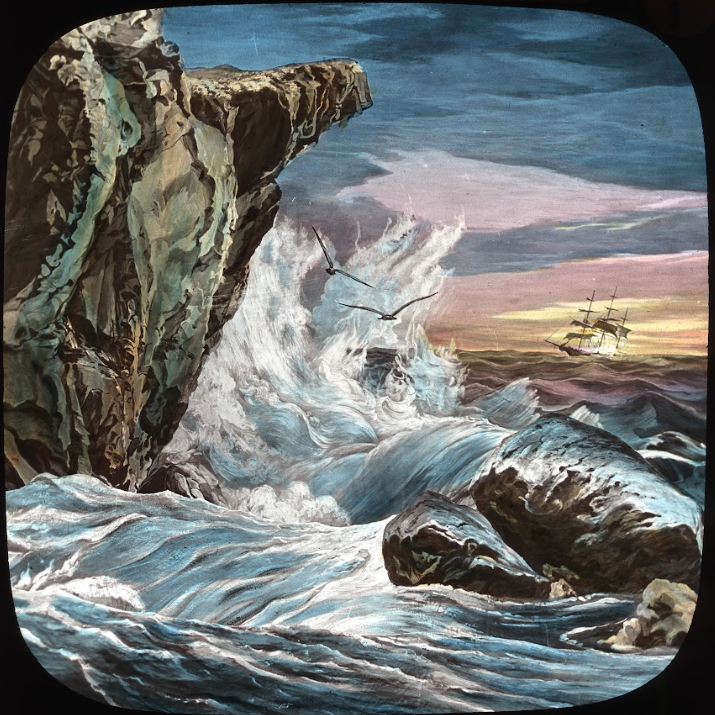
For over 160 years, Felixstowe’s Coastguard Station has played a vital role in safeguarding the East Coast.
After the formation of HM Coastguard, a lookout was built on Martello Tower P in 1934. The station’s telescopes could scan a 140-degree radius, keeping watch over a long stretch of coastline, including riverbanks and busy shipping lanes. Martello P oversaw more lightships and buoy lights than any other station, monitoring sea traffic for the Port of Felixstowe and Harwich, as well as the River Orwell, and the Deben.

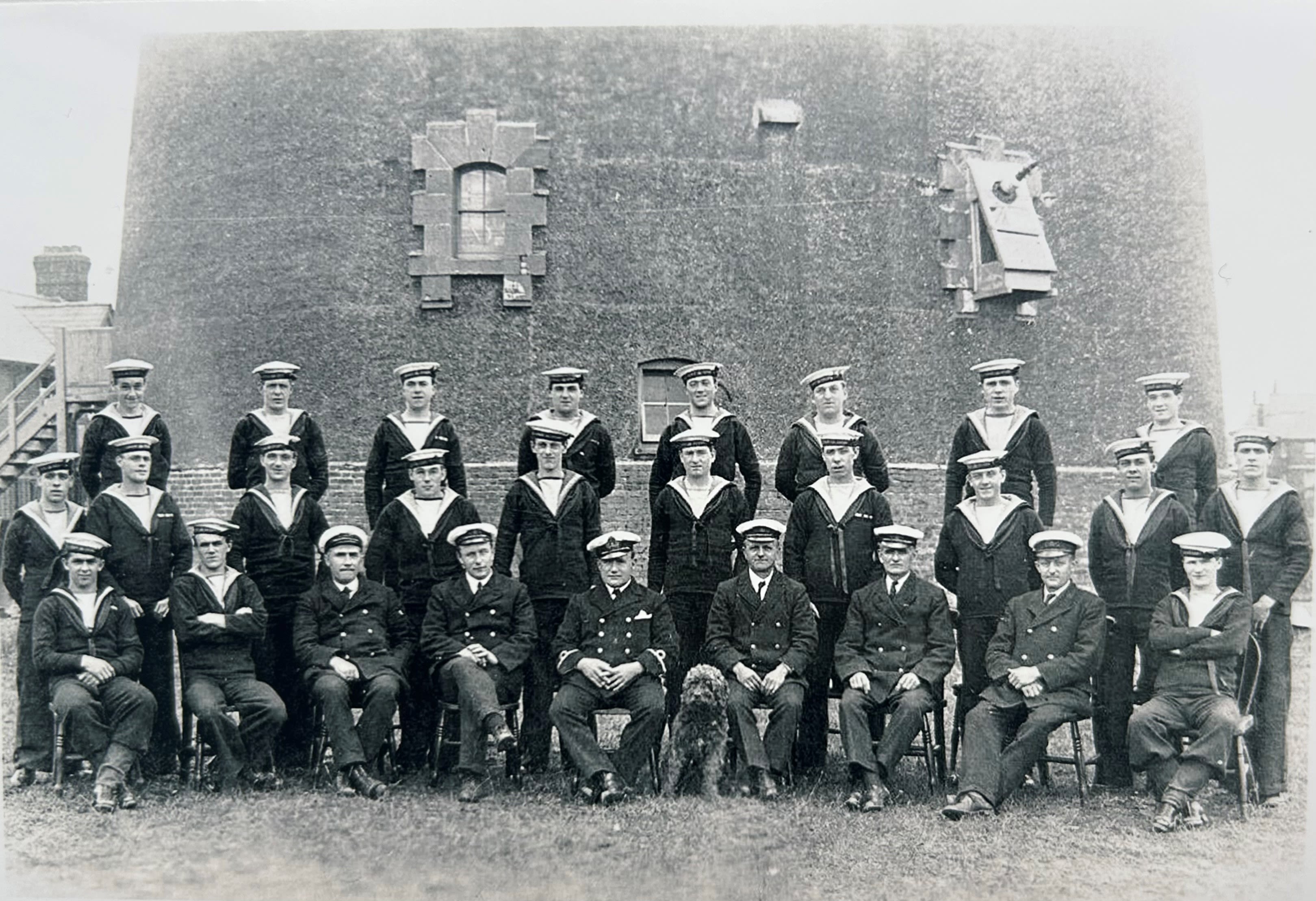
Coastguard Station crew at Martello Tower P, 1920. Source unknown
Coastguard Station crew at Martello Tower P, 1920. Source unknown
Working closely with the Cork lightship, a floating beacon off the coast at Harwich, the Coastguard monitored the sea day and night. The lightship provided crucial guidance with its bright light and siren alerting coastguards to dangers and signalling when lifeboats needed to be launched.
In 1976, following the closure of the Royal Navy training base at Shotley Gate, HMS Ganges, Naval control of shipping transferred to Martello Tower P, where it remained until 1979. That same year, a new Coastguard lookout office was built on top of the tower.

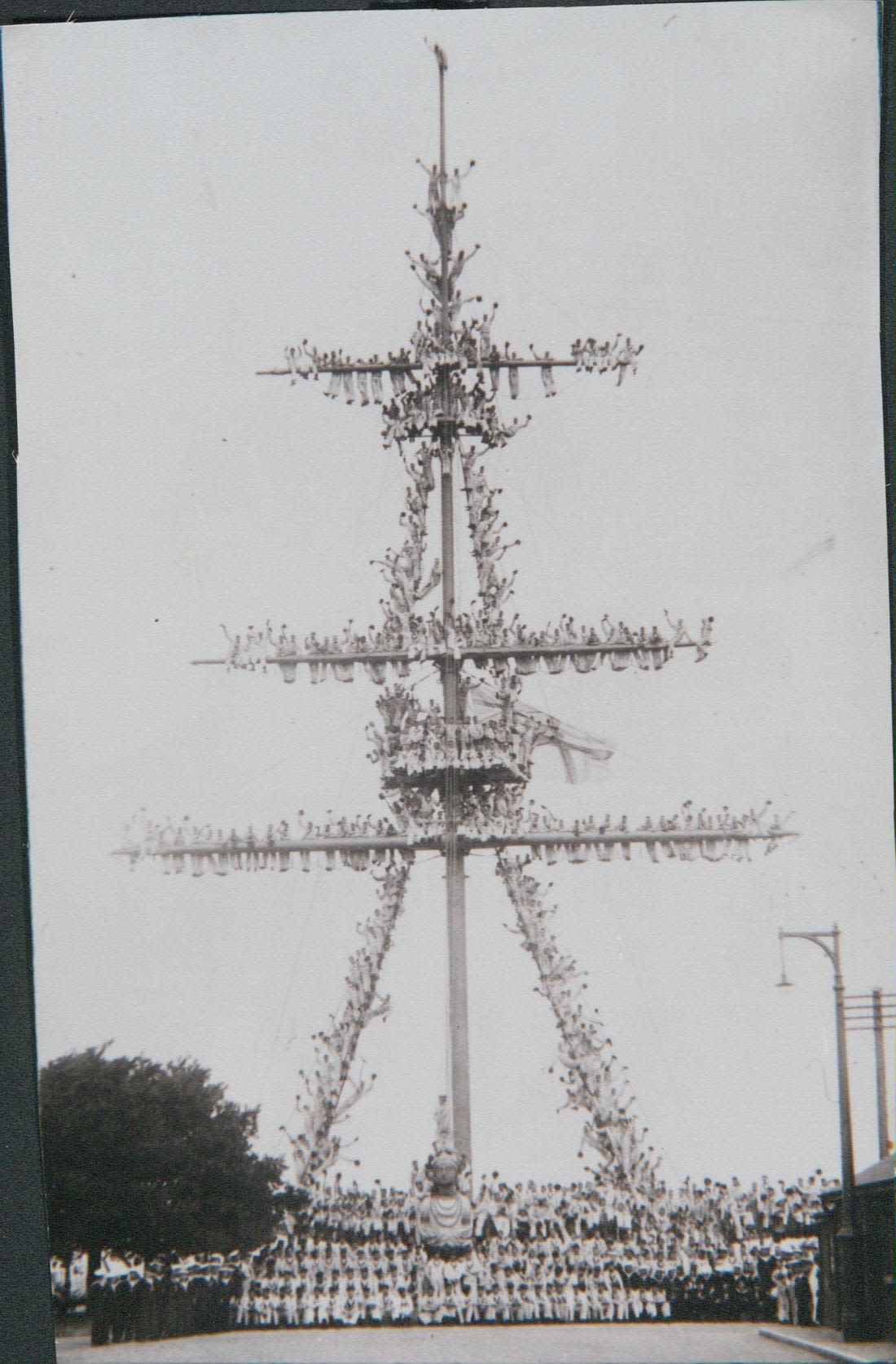
Photograph of the rigging mast at HMS Ganges, Shotley. K681/1/397/43. ©Suffolk Archives
Photograph of the rigging mast at HMS Ganges, Shotley. K681/1/397/43. ©Suffolk Archives
National Coastwatch Institution

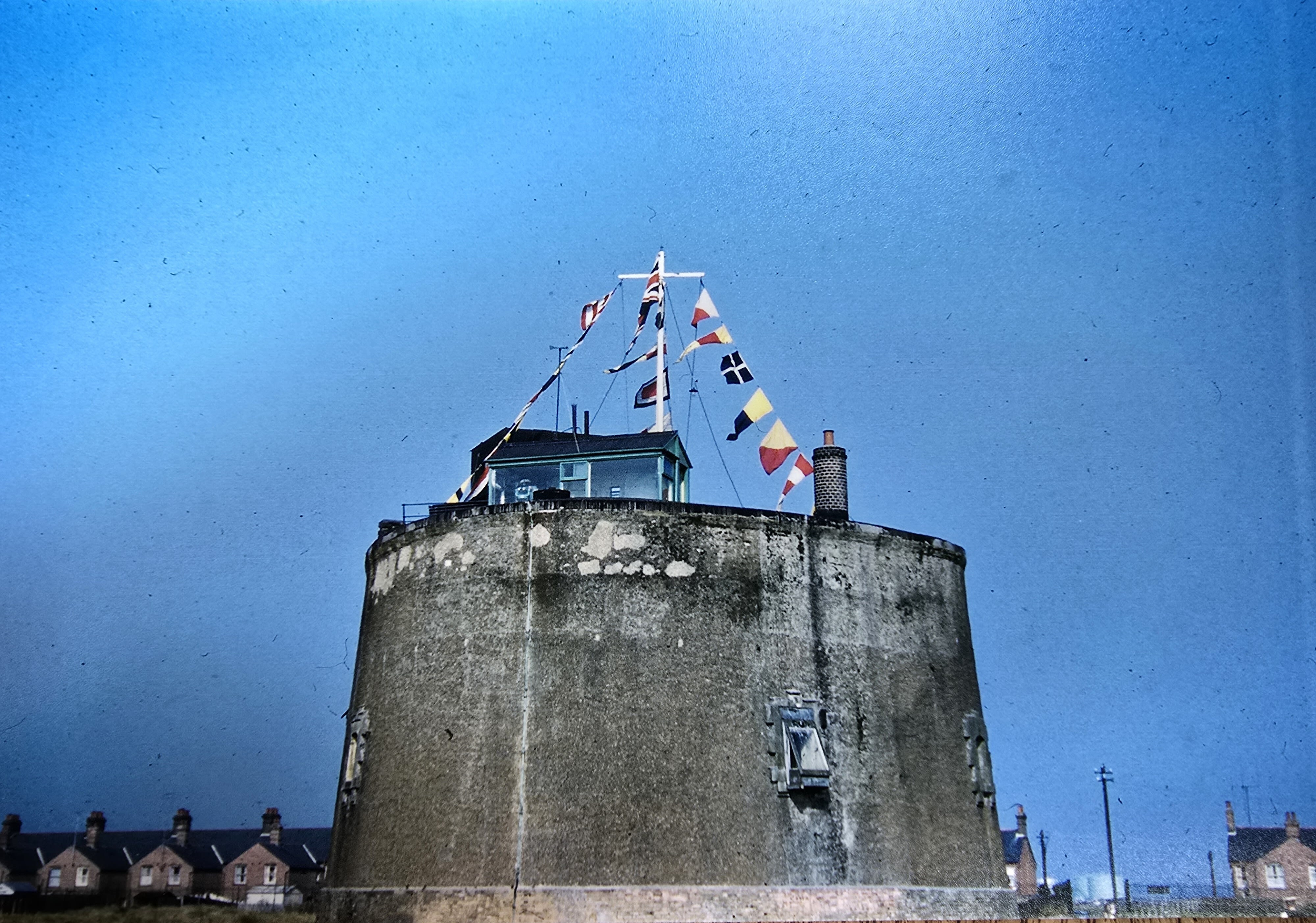
The Coastguard continued their watch until 1994, when Felixstowe’s lookout office was closed after more than a century and a half of continuous service. In 1996, the former Coastguard office atop the tower was taken over by the volunteer National Coastwatch Institution which still uses the site today.
The station is manned by volunteer Watchkeepers that take AM and PM shifts. The office is equipped with computer systems, marine radios, weather monitoring equipment and high-powered binoculars.


In 1897, wireless telegraphy was introduced to the Royal Navy by Guglielmo Marconi and Captain H.B. Jackson R.N.
This involved the wireless transmission of written messages in morse code via radio waves.
Recognising its strategic importance near the Royal Navy base at Harwich, the Admiralty selected Martello Tower P to become one of Britain’s first Wireless Telegraphy Type-C shore stations.
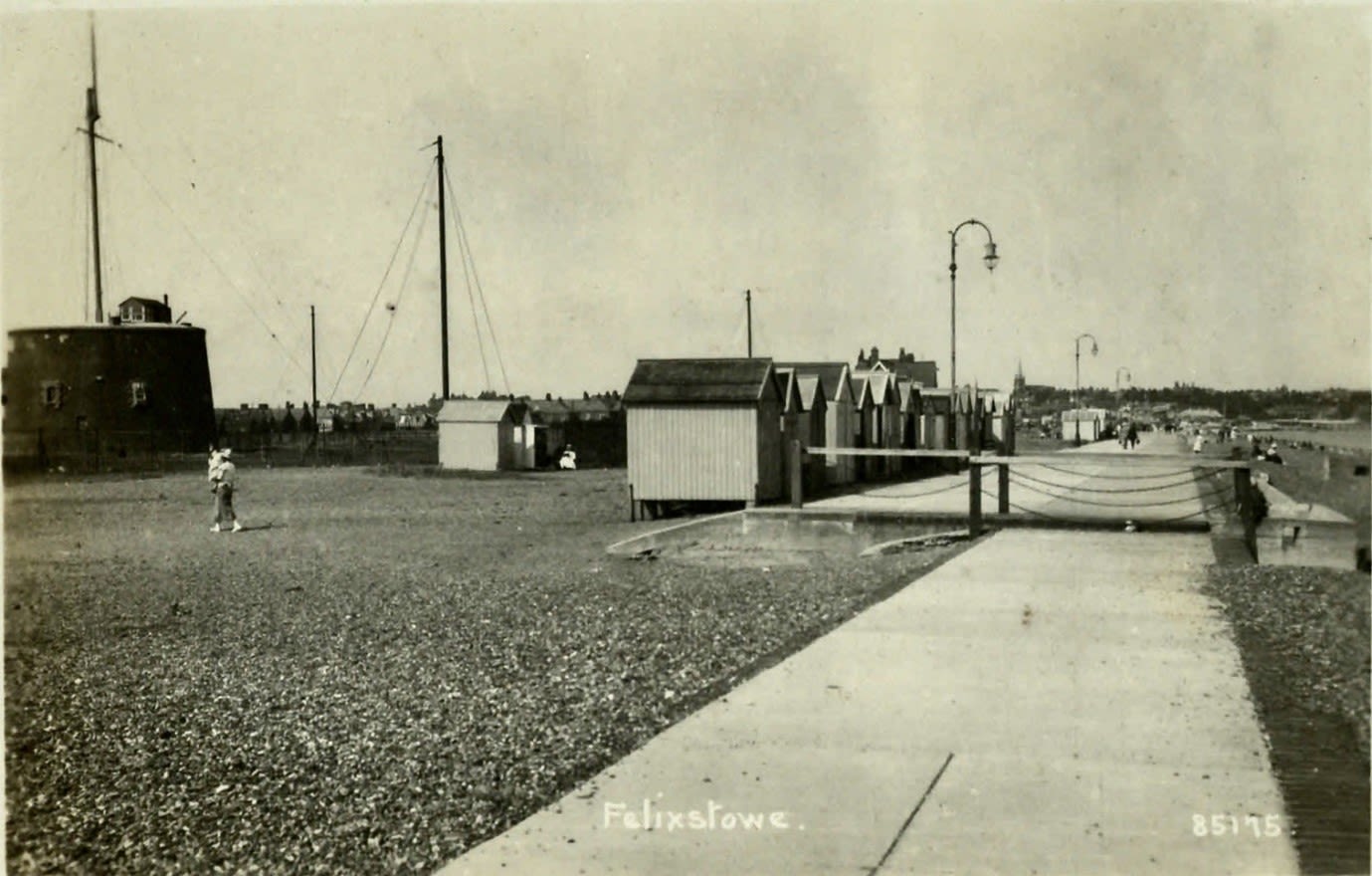
From 1907, Tower P transmitted on multiple frequencies, communicating with navy vessels up to 150 miles away. Power was supplied by a large oil engine running two generators which ran two tall transmitter aerials installed on the former gun platform. The iron anchors used to support the aerials are still visible today.
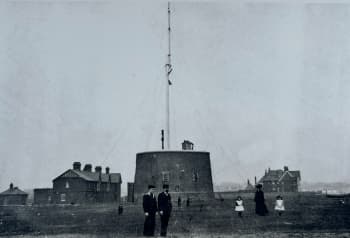

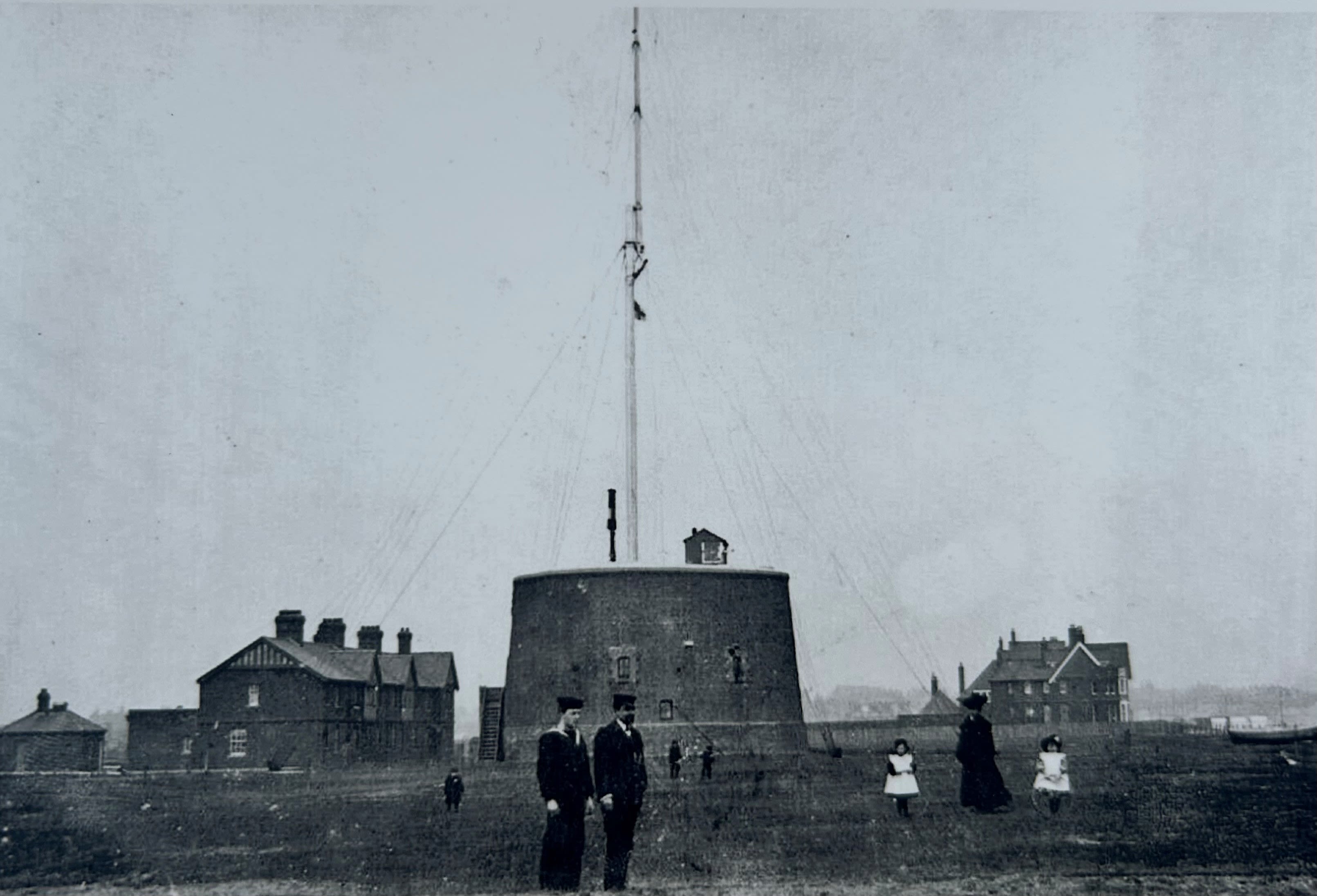

The wireless station was based on the Tower’s first floor. During World War One, the station successfully intercepted enemy warship communications in the North Sea, providing critical intelligence to the Royal Navy.
In addition to intelligence gathering, the Tower’s wireless station maintained an essential communication link with the Royal Navy’s Destroyer Force based at Harwich, all while continuing its Coastguard duties.
As tensions grew with Germany in the early 20th century, key ports and river entrances required renewed defences. The Harwich estuary was one such strategic location. Martello Tower P was re-armed with quick-firing guns operated by army personnel.

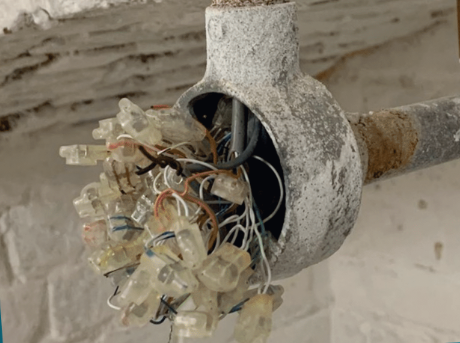
This collection of wires in the basement of Martello tower P is believed to be left behind from the large radio mast and equipment used when the tower was a communications centre between 1897 and 1968.
This collection of wires in the basement of Martello tower P is believed to be left behind from the large radio mast and equipment used when the tower was a communications centre between 1897 and 1968.


World War One
In 1917, a report by the War Cabinet’s sub-committee identified key vulnerable sites expected to face attacks from Zeppelins or enemy aircraft. In Suffolk the list included the naval base at Harwich, the Royal Naval Air Service aircraft station at Felixstowe, and Martello Tower P. The report ordered that all locations receive anti-aircraft defences and a full-time military guard to protect these critical locations.
Following the end of World War One, a 1919 Approved Arms Report recommended that Martello Towers P and Q (at South Hill) remain armed, providing each with a modern machine gun.

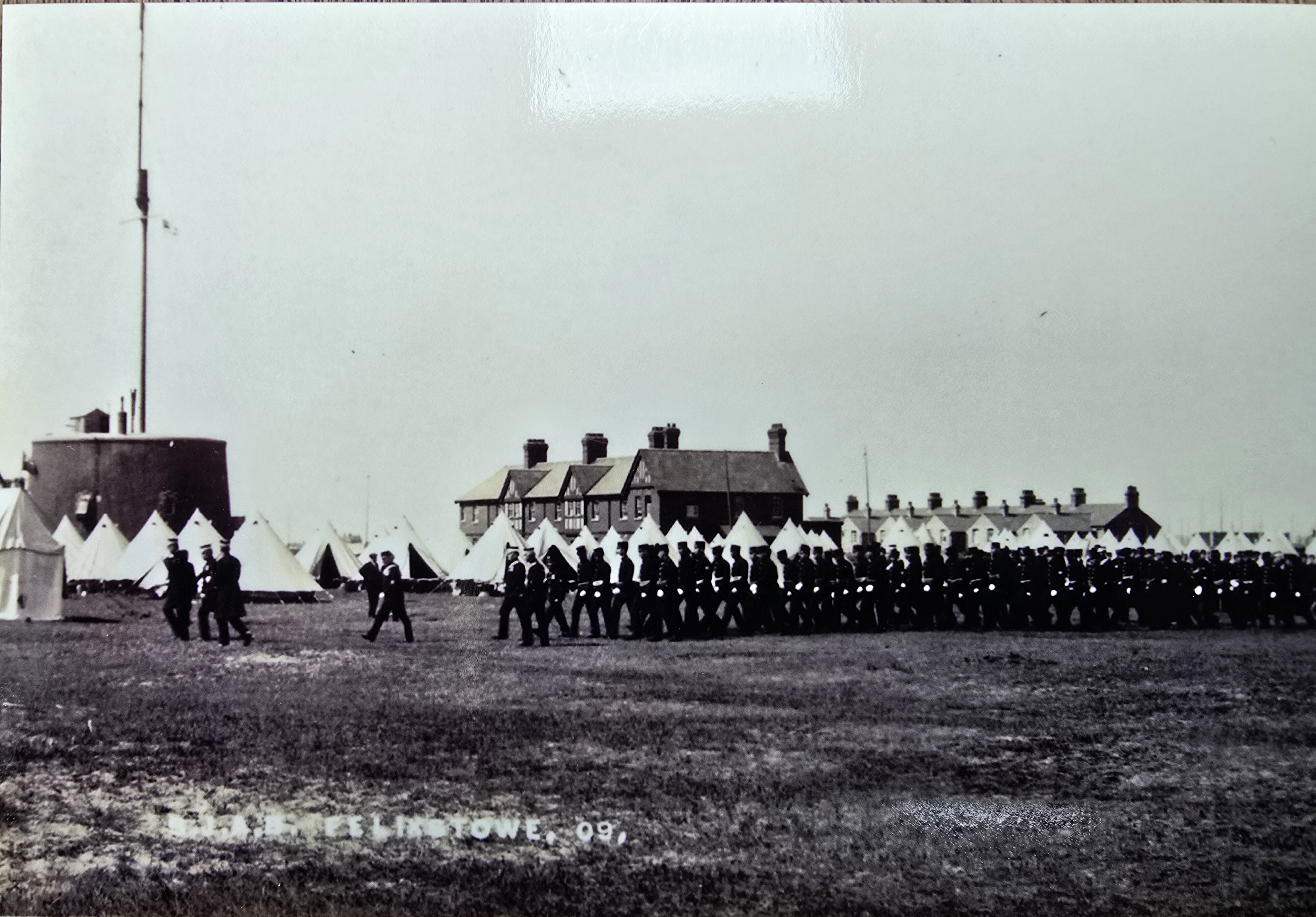
Military exercise on Wireless Green 1909, courtesy of Carole Josey
Military exercise on Wireless Green 1909, courtesy of Carole Josey
World War Two
At the outbreak of World War Two in 1939, only Martello Towers P & Q and Tower F at Clacton were still actively manned by the Coastguard service.
On Tuesday 7th November 1944, an American B17 Flying Fortress Bomber, flying from Thorpe Abbots in Norfolk, broke up in mid-air and crashed in Langer Road Felixstowe.

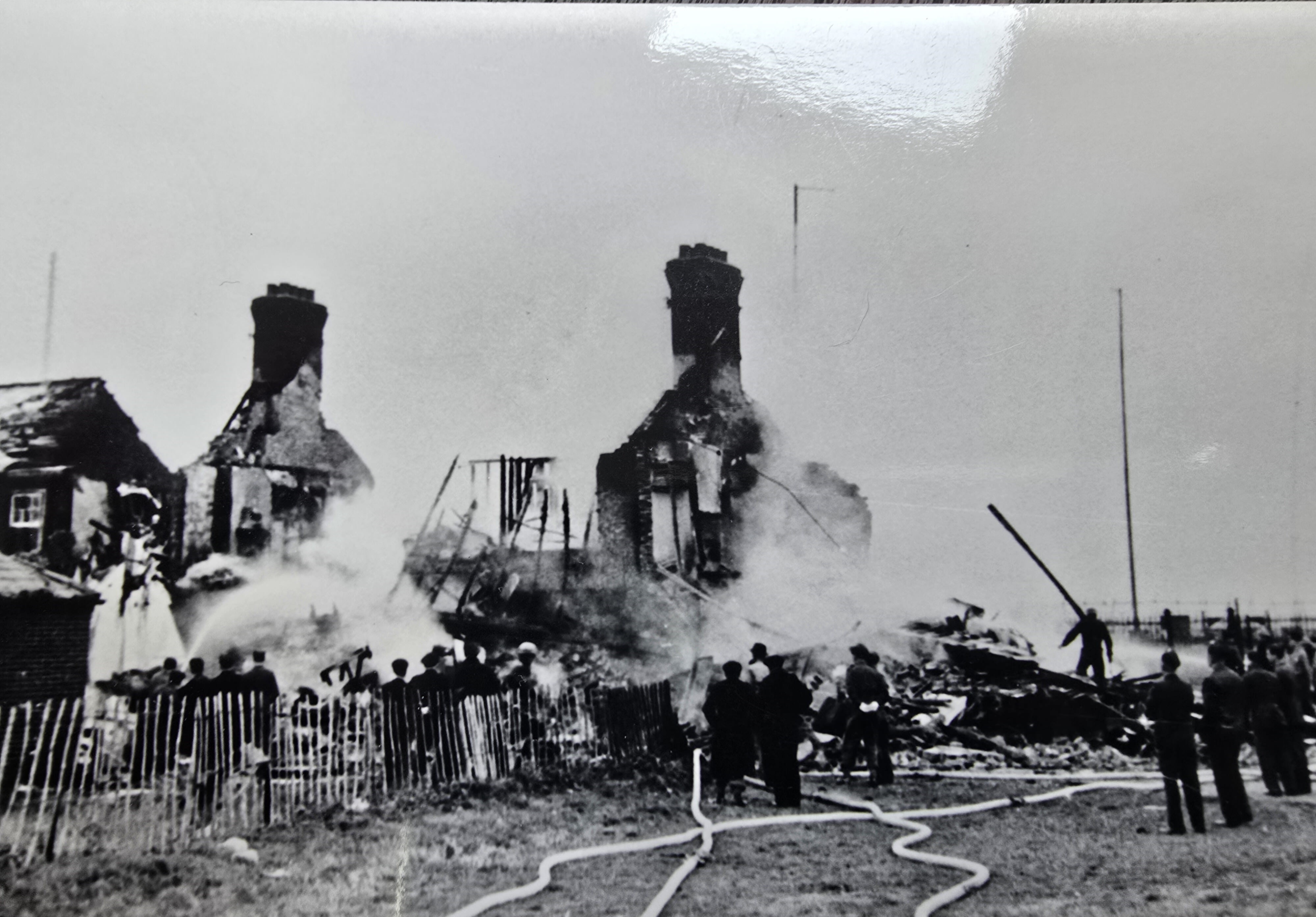
Destroyed Coastguard Cottages 1944. Courtesy Carole Josey
Destroyed Coastguard Cottages 1944. Courtesy Carole Josey
The plane was on a training exercise testing a new beam radar bombing system. It is thought that the flare that was supposed to be used to indicate the aircraft position went off inside the plane and caused it to break apart. The plane fell on Coastguard Cottages in Felixstowe, killing three members of the RAF Regiment stationed there.
Of the nine crew, on board the plane seven survived, although several were badly injured. Pilot John Dyatt was found with no parachute near Wherstead and Senior Captain Clarke fell to his death in Langer Road trying to pilot the plane into the sea.

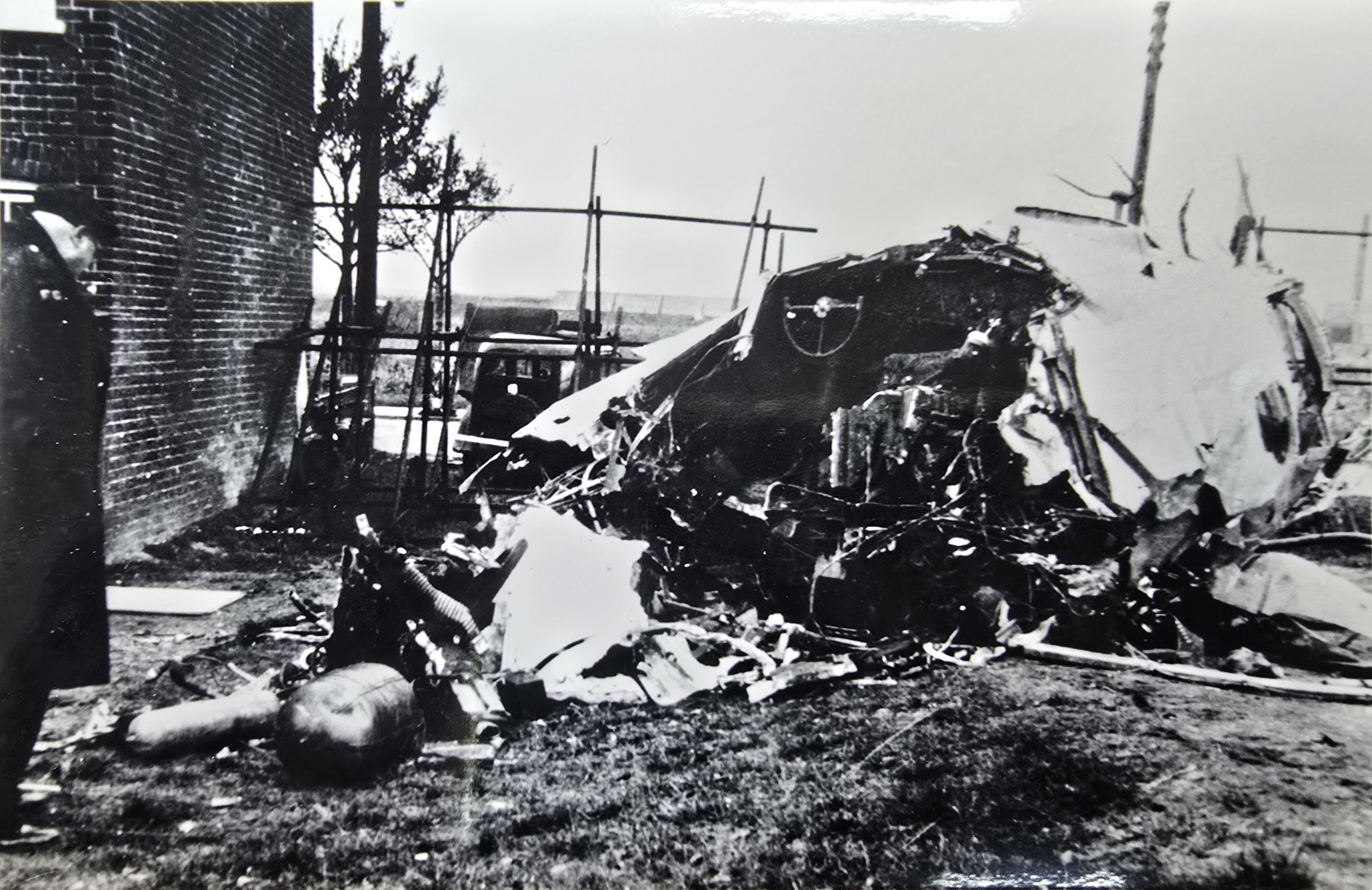
American B17 Flying Fortress Bomber crash site 1944, Courtesy Carole Josey
American B17 Flying Fortress Bomber crash site 1944, Courtesy Carole Josey

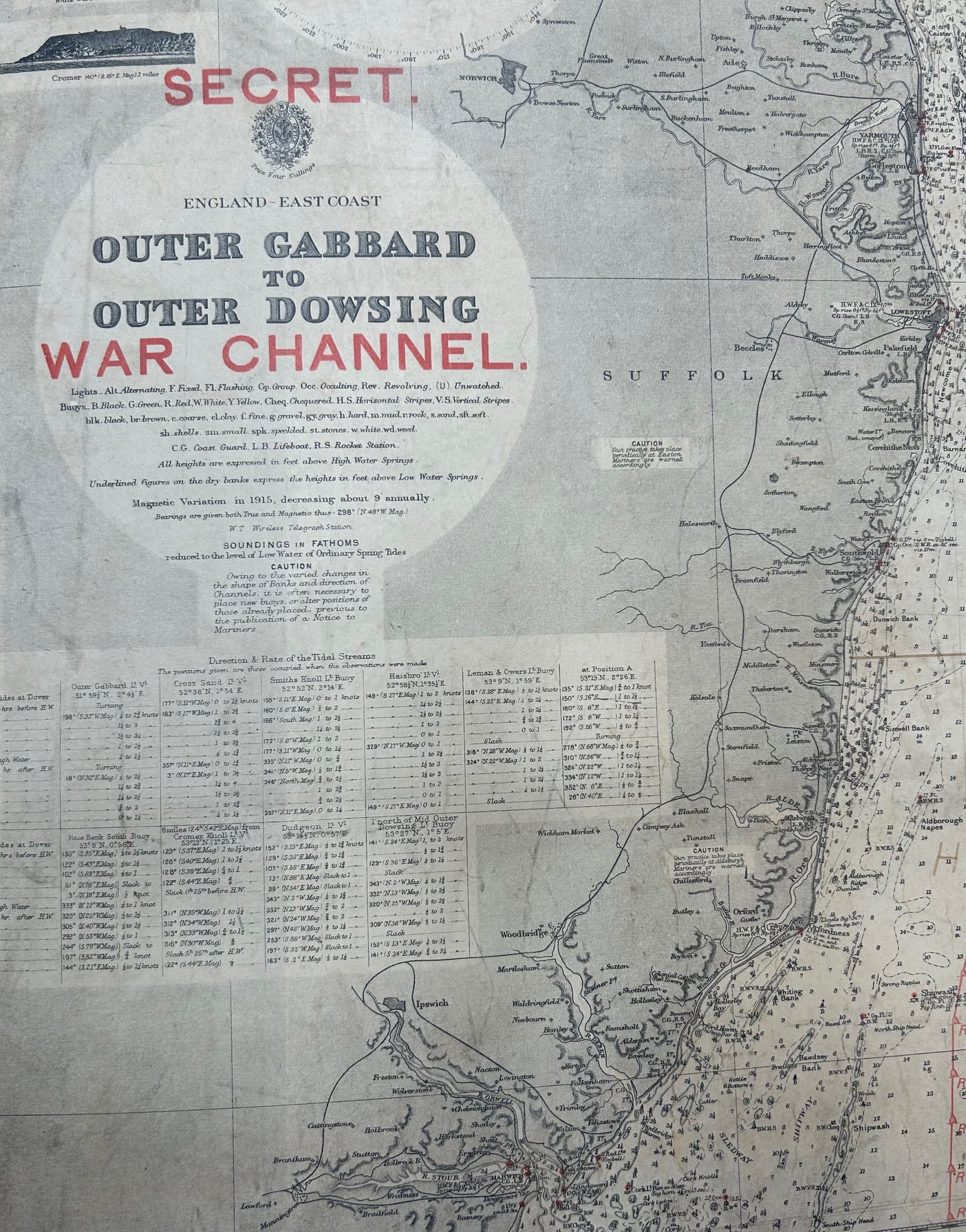
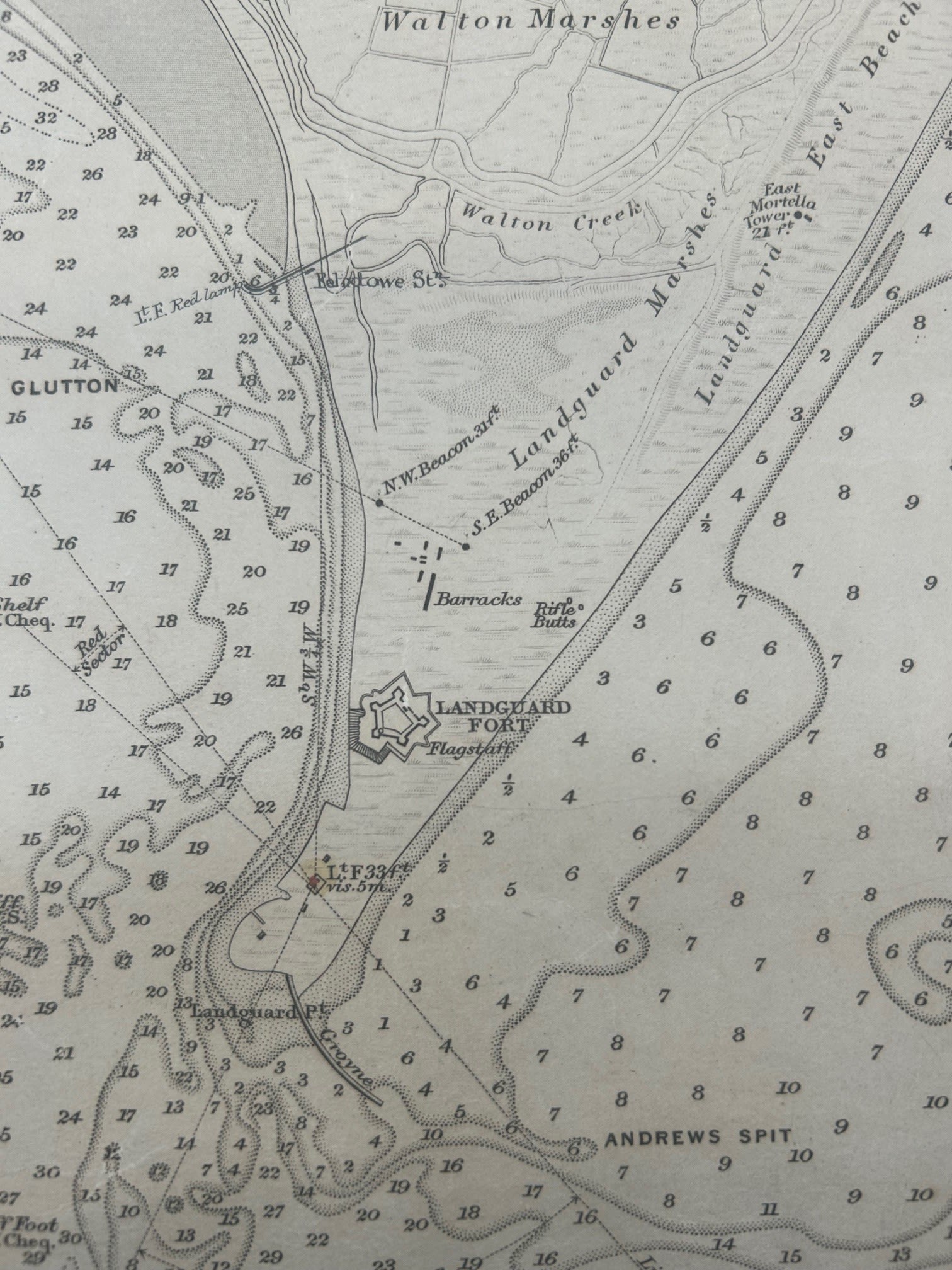
Secret War Channel Map 1915 ©Suffolk Archives
Secret War Channel Map 1915 ©Suffolk Archives
During World War Two, the Royal Observer Corps (ROC) carried out an important role monitoring and observing aircraft activity. One post was hosted at Martello Tower P where the ROC was stationed on the former gun platform and used instruments to plot the number, height and speed of enemy aircraft.

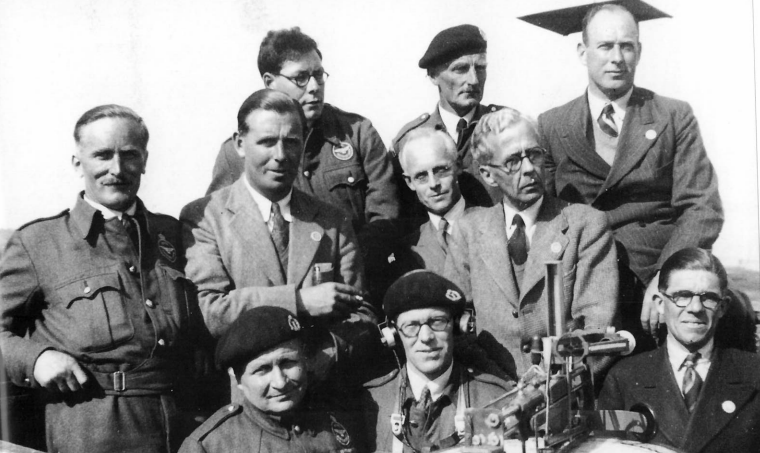
Felixstowe Royal Observer Corps at their post on the roof of Martello Tower P in the 1940s. From Felixstowe at War
Felixstowe Royal Observer Corps at their post on the roof of Martello Tower P in the 1940s. From Felixstowe at War
By the early 1950s, it was clear that the human eye could no longer keep pace with high-speed jet aircraft. However, the need for a national warning network to report aircraft, nuclear strikes, and track radioactive fallout had become urgent. The Royal Observer Corps was combined with the Air Raid Precautions (ARP) service to form the United Kingdom Warning and Monitoring Organisation.

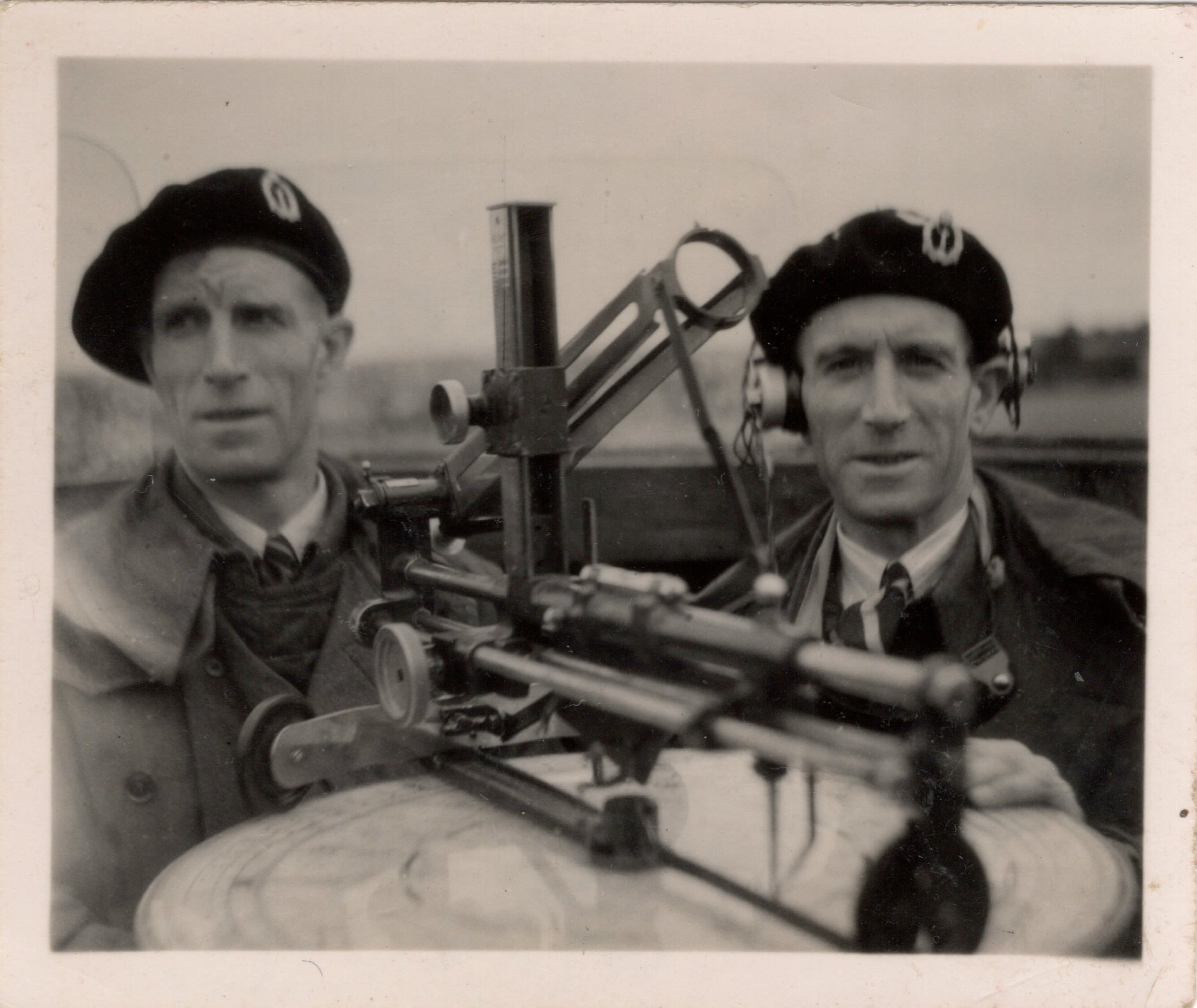
Royal Observer Corps at work using a Micklethwaite height corrector to observe and plot aircraft. ©Suffolk Archives
Royal Observer Corps at work using a Micklethwaite height corrector to observe and plot aircraft. ©Suffolk Archives
To carry out this new role, a national network of underground monitoring posts was constructed. Between 1957 and 1964, around 1,500 underground bunkers were built across the UK. Each post was a compact, reinforced concrete shelter accessed by a hatch and ladder. Inside, a crew of four volunteers worked in shifts, equipped with a desk, bunk beds, a chemical toilet, and specialist instruments for monitoring radiation. These posts worked in clusters and were connected by telephone to the local HQ.
Felixstowe hosted two observation posts during the Cold War, one within Martello Tower P, and one underground monitoring post constructed near the tower on Wireless Green.

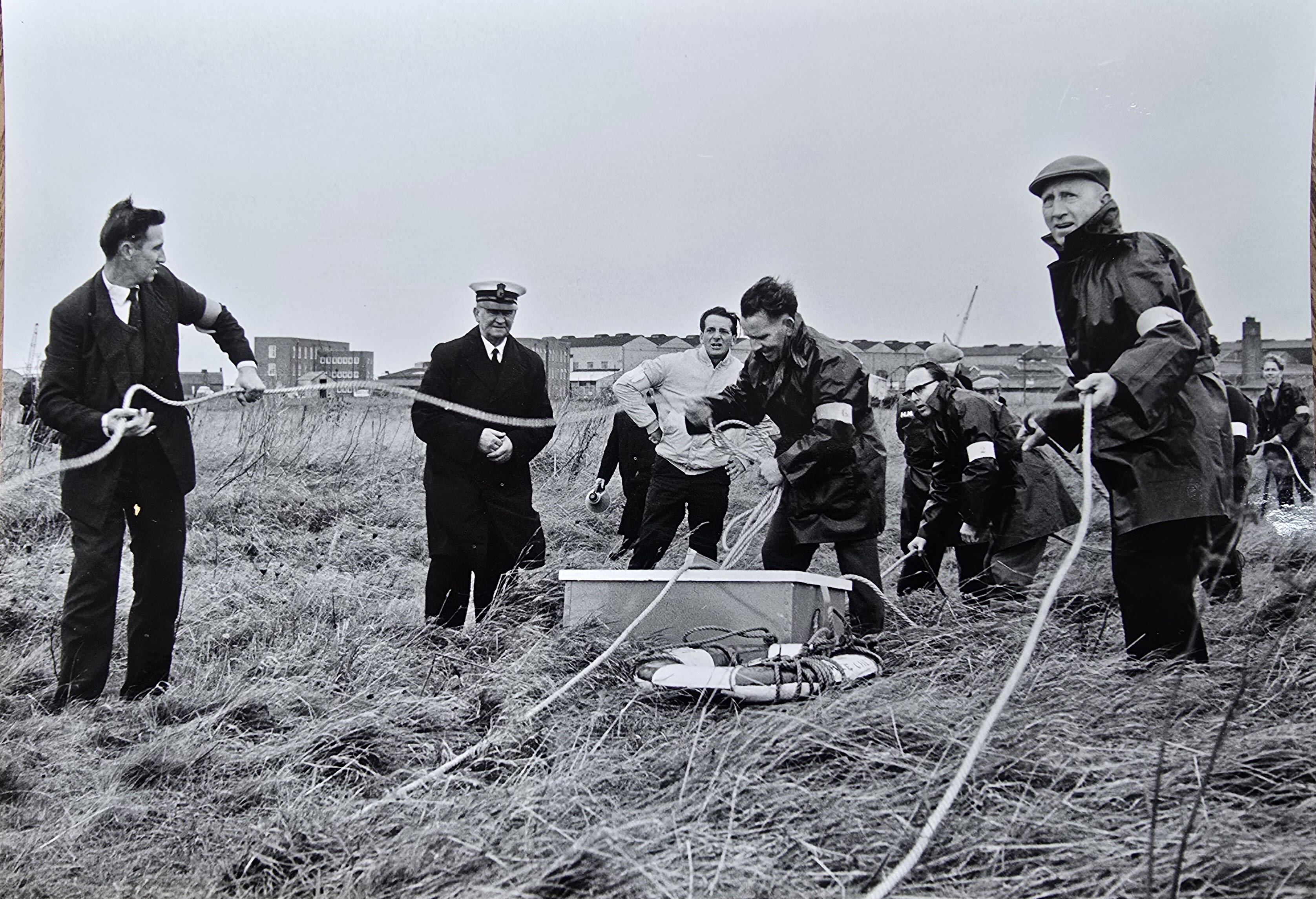
Coastguard Auxilliary Servicev exercise. Courtesy Carole Josey. Featuring her father, Doug Norden, a long serving member of the Coastguard Aux Service. Who joined in 1951 and served 38 years.
Coastguard Auxilliary Servicev exercise. Courtesy Carole Josey. Featuring her father, Doug Norden, a long serving member of the Coastguard Aux Service. Who joined in 1951 and served 38 years.
Operational from June 1960 to October 1968, this underground post was surrounded by a high wire security fence. In 1968, defence cuts led to the closure of around 600 posts including those at Martello P. In Suffolk, fewer than 20 remained active until the Royal Observer Corps was officially stood down in 1991.
WAR SECTOR CLOCKS were used by the Royal Observer Corps to help track aircraft. They had coloured triangles marking five-minute intervals.
When an aircraft was spotted the colour of the triangle beneath the time was recorded. This was reported to HQ where matching-coloured counters were used on a large map to track the journey. As new reports of the location of aircraft came in, the coloured counters were plotted across the map.
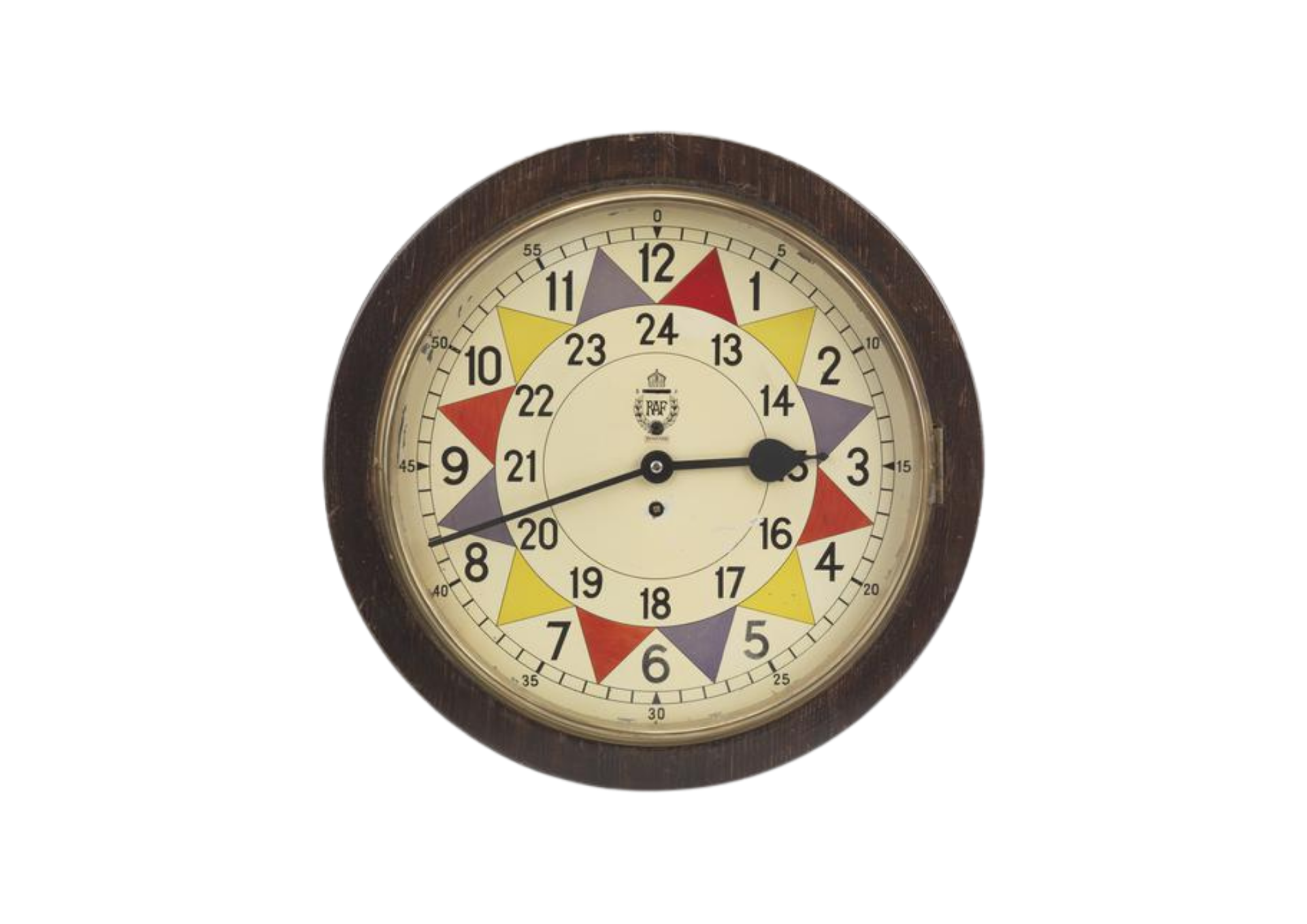
War Sector Clock ©Imperial War Museum
War Sector Clock ©Imperial War Museum
The colours of the counters told controllers how old the information was, 5, 10, or 15 minutes. The system was very effective and enabled quick decisions to be made about possible targets.

Thank you to our volunteers for contributing to the project:
Paul Botwright
Rachel Buttery-Graciani
Helen Carasso
Marion Catling
Jake Doyle
Katie Evans
William Heffer
Jay Holloway
Julie Mason
Lewis Roberts
Paul Seymour

 Built with Shorthand